
Pennsylvania winters can be beautiful, but they’re also tough on your home, especially your roof. From heavy snowfall and ice buildup to freeze-thaw cycles and high winter winds, the colder months put roofing systems under significant stress. Understanding how winter weather impacts your roof can help you spot problems early, prevent costly repairs, and extend the life of your home’s most important protective barrier.
Below, we’ll break down six common ways Pennsylvania winters affect roofs and what homeowners should watch for before, during, and after the season.
1. Snow Accumulation and Excess Weight
One of the biggest winter roofing concerns in Pennsylvania is heavy snow accumulation. While most modern roofs are designed to handle snow loads, prolonged or excessive buildup can strain the structure, especially on older homes or roofs already weakened by age or damage.
What to watch for:
- Sagging rooflines
- Cracks in interior walls or ceilings
- Popping or creaking sounds during snowfall
Safe snow removal or professional roof inspections can help reduce risk. Ignoring high snow accumulation on your roof could cause expensive issues in the future.
2. Ice Dams: A Major Winter Roofing Threat
Ice dams are one of the most common and damaging winter roofing problems in Pennsylvania. They form when heat escapes from the attic, melting snow on the roof. As the water runs down and refreezes near the eaves, it creates a dam that traps additional melting snow. If neglected, ice dams can cause water damage to your home, leading to costly repairs and mold growth.
Ice dams can:
- Force water under shingles
- Cause roof leaks and interior water damage
- Damage gutters, flashing, and insulation
Ice dams can cause serious damage to your home. For this reason, it’s important to know what to look out for that could signal the presence of ice dams on your roof.
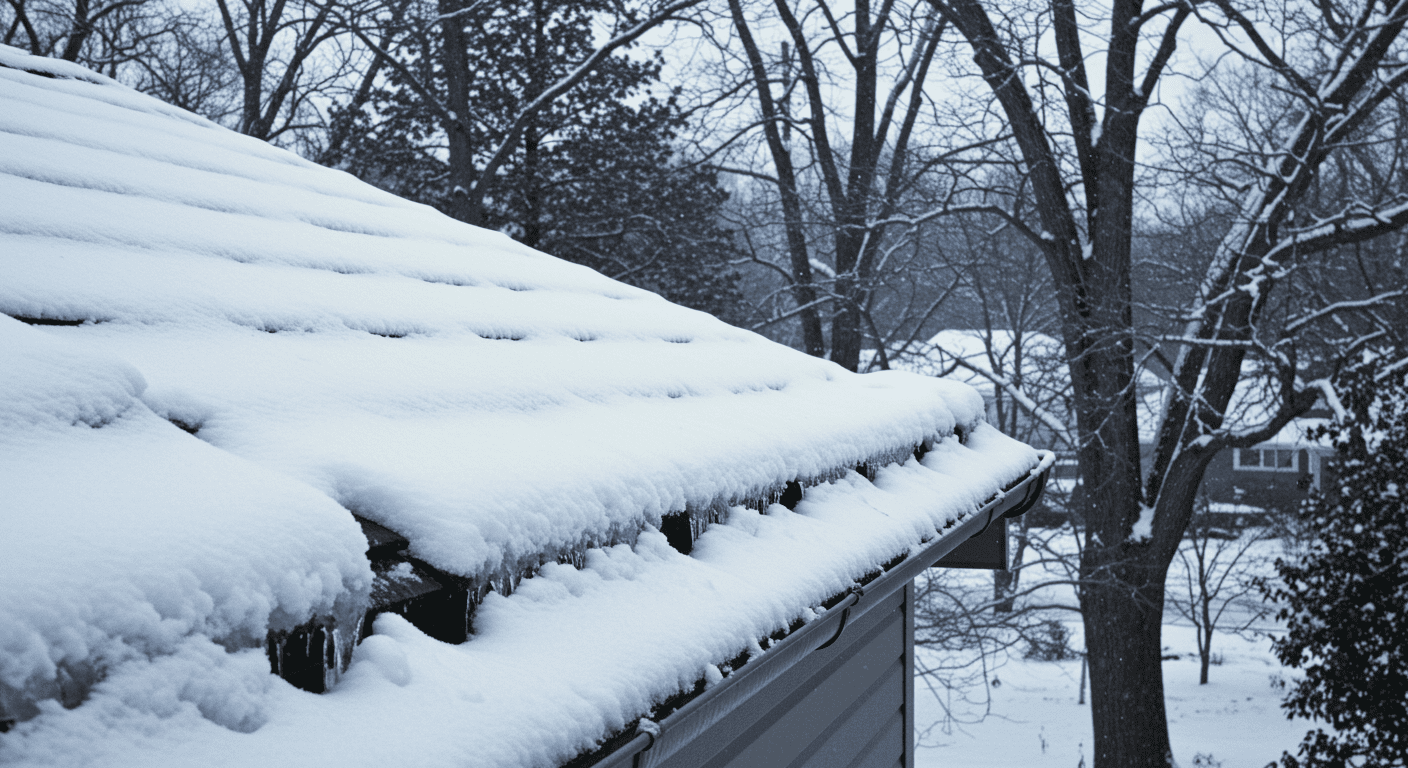
Warning signs include:
- Icicles hanging from roof edges
- Water stains on ceilings or walls
- Peeling paint near rooflines
Proper attic insulation and ventilation are key to preventing ice dams. If your attic is unfinished and not insulated well, make sure to pay close attention to your roof during winter months and take action when you notice any of the warning signs for ice dams.
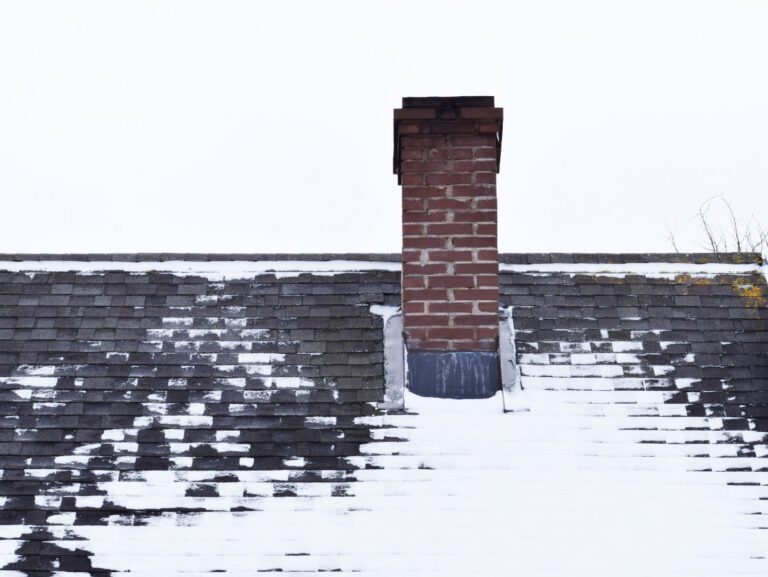
3. Freeze-Thaw Cycles and Shingle Damage
Pennsylvania winters are known for fluctuating temperatures, often moving above and below freezing within short periods. These freeze-thaw cycles can be especially damaging to roofing materials.
When moisture seeps into small cracks or under shingles and then freezes, it expands, causing materials to shift, crack, or loosen. Over time, this weakens shingles and underlayment, increasing the risk of leaks.
Common issues caused by freeze-thaw cycles:
- Cracked or curling shingles
- Loose flashing around chimneys and vents
- Accelerated roof aging
Some roofs are more susceptible to damage from freeze-thaw cycles than others. If your roof has been damaged due to winter weather, it might need to be replaced. We’re here to help! Call us today at American Remodeling and we’ll give you a free consultation.
4. Winter Wind and Storm Damage
Winter storms in Pennsylvania often bring strong winds along with snow and ice. High winds can lift, loosen, or tear shingles, especially if they’re already brittle from cold temperatures or nearing the end of their lifespan.
After a winter storm, check for:
- Missing or displaced shingles
- Debris on the roof or in gutters
- Exposed flashing or underlayment
Don’t ignore these crucial warning signs! Even minor wind damage can allow moisture to enter the roof system, leading to leaks once snow begins to melt. This can lead to water damage in your home, resulting in structural issues and mold growth.
5. Gutter Issues and Ice Buildup
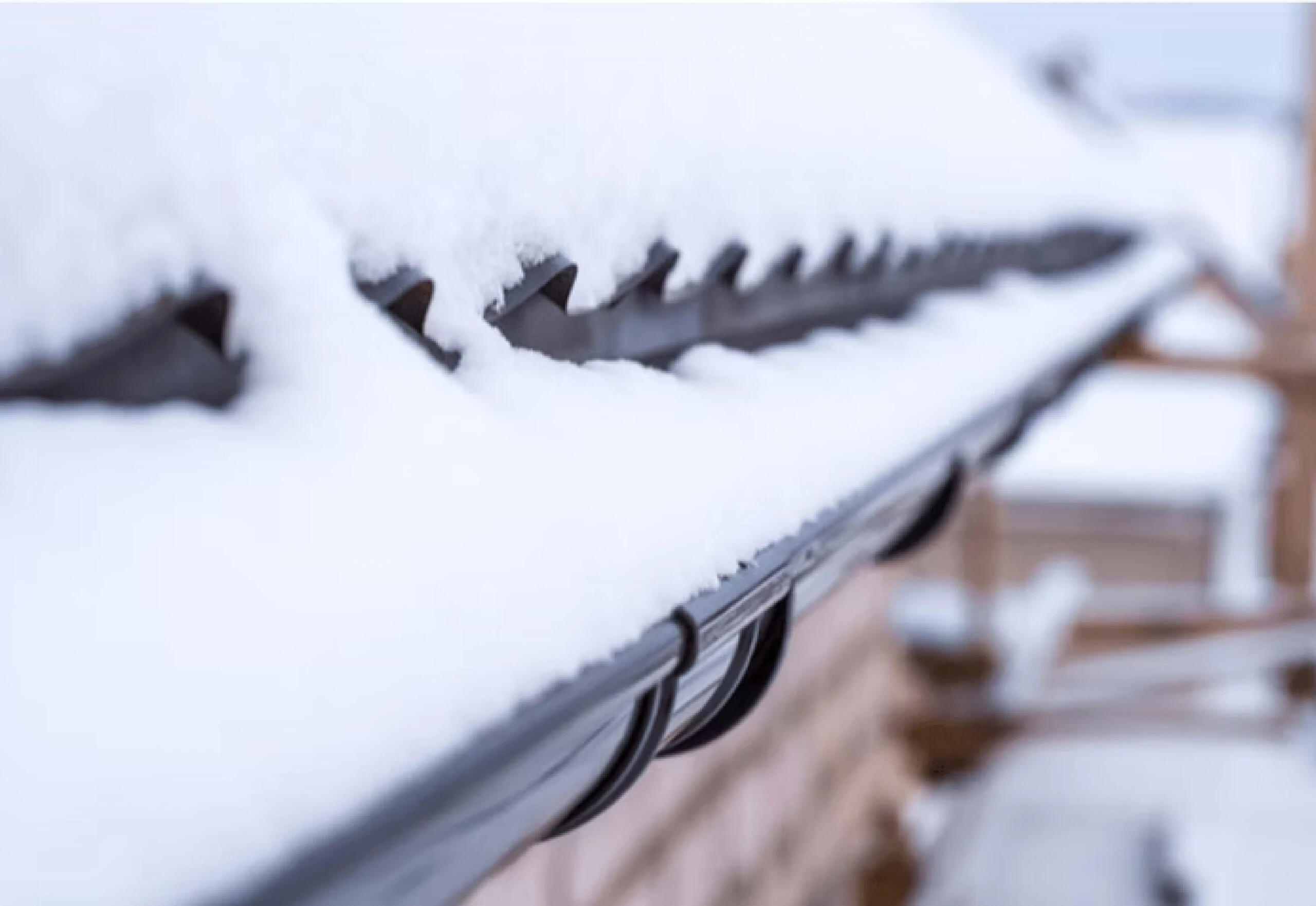
Your gutters play a critical role in protecting your roof during winter. When gutters are clogged with leaves or debris, melting snow has nowhere to go. This can lead to ice buildup, overflowing water, and damage to both the roof and siding.
Winter gutter problems can cause:
- Ice dams
- Fascia board rot
- Water damage to foundations
Don’t neglect your clogged gutters! Cleaning gutters in the fall and ensuring proper drainage helps your roof handle winter conditions more effectively.
6. Hidden Leaks and Interior Warning Signs
Roof problems caused by winter weather aren’t always immediately visible from the outside. Often, the first signs appear inside your home. Staying vigilant about early warning signs is imperative to preventing water damage and mold in your home.
Interior warning signs to watch for:
- Water stains on ceilings or walls
- Musty odors in attics or upper floors
- Dripping water during snowmelt
If you notice any of these issues, it’s important to have your roof inspected promptly. Small leaks can quickly turn into expensive structural damage.
Protect Your Roof Before and After Winter
Pennsylvania winters are unavoidable, but major roofing problems don’t have to be. By understanding how winter weather affects your roof and knowing what warning signs to look for, you can take proactive steps to protect your home.
Regular maintenance, proper insulation, clean gutters, and professional inspections go a long way in keeping your roof strong through snow, ice, and freezing temperatures. If you suspect winter-related roof damage, addressing it early is the best way to avoid bigger and more expensive issues down the road.
Need a roof replacement after winter damage? We’re here to help! Contact us to schedule a free estimate.