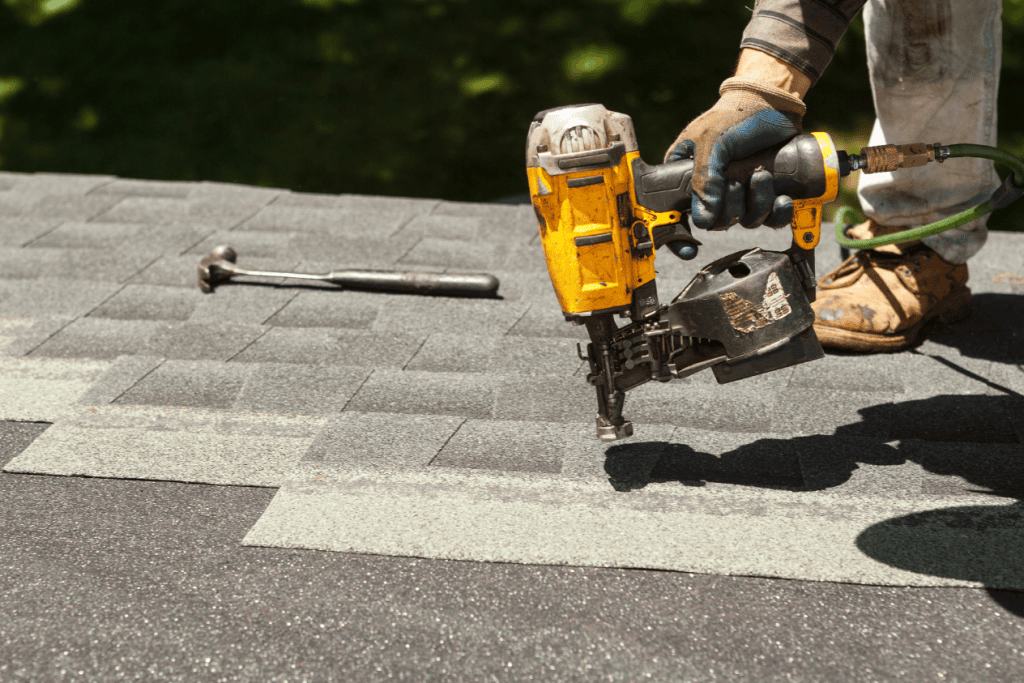

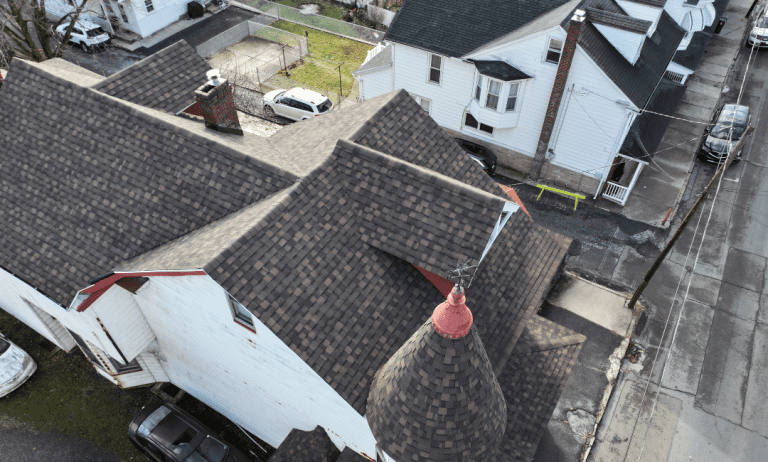
The best time to replace a roof is when it truly needs replacement. While spring and fall typically offer mild weather and ideal conditions for roof installation, you can schedule a replacement during any season with careful planning.
When you choose an established company like American Remodeling, we ensure that your roof replacement aligns perfectly with your needs.
A new roof can provide an 48.9% return on investment when selling a home, according to Remodeling Magazine’s Cost vs. Value Report. Homeowners who replace their roofs typically see an increase in their home’s value by $12,000 – $15,000, depending on the material and the market.
In this article, you’ll find out why timing matters so much and how to ensure that your roof replacement goes off without a hitch!
When Is The Best Time To Replace A Roof?
Spring Is A Good Time To Replace Your Roof
Spring is a great time because the weather is mild. Roofing materials seal well in these temperatures. The warmth of the spring sun helps shingles and adhesives bond properly. This is crucial for ensuring the roof is sealed tightly. A proper seal is necessary to prevent leaks and extend the roof’s lifespan.
This moderate weather also ensures that the workers stay comfortable. It makes it easier for them to do a good job. Plus, you get longer days.
Since spring is a quieter season for roofers, contractors tend to have more availability. This means you won’t have to wait long to schedule your roof replacement. And you can plan the project more flexibly.
We typically see 20-30% fewer projects during spring, meaning it’s a great time to save on the cost of replacing your roof.
Early Summer (The Best Time To Replace Your Roof!)
Early summer offers the perfect balance of warmth. It’s warm enough for sealants to dry effectively, but not so hot that the materials risk being damaged. This steady warmth helps ensure the roof is properly sealed and durable. Also, with longer daylight hours, the project can move faster.
During early summer, rain and snow are less likely to cause delays. Your roofing project will move forward smoothly. Fewer weather interruptions mean faster, more efficient work.
The moderate temperatures of early summer make it easier for roofers to work longer hours without the exhaustion that comes with scorching heat. This results in quicker project completion, getting your new roof on faster, and minimizing disruption.
However, it’s also the busiest time for roofers, so you might have to wait longer for an appointment.
What About Mid to Late Summer?
Mid to late summer can bring some heat, but roofing projects can still be done without major issues. High temperatures may soften asphalt shingles a little, but our experienced roofers know how to handle them properly. They use techniques to ensure the materials stay in good shape.
While it’s true that the heat can make workers feel tired faster, professional roofing teams are prepared for it. They take regular breaks to stay safe and maintain their energy. These breaks may slightly extend the timeline, but this won’t drastically impact the project.
In the end, Replacing your roof during this time is still a solid choice.
Fall Is The Go-To Season For Roof Replacement
Fall is often considered the best time because the weather is perfect for roof work: cool but not too cold, and dry. In the Fall, the shingles will be set and sealed properly.
Cooler temperatures in the fall make it ideal for roofers to work efficiently, especially on larger projects. The moderate weather helps prevent materials from becoming too hot or cold. This ensures proper installation. Also, roofers can work longer hours, which speeds up the process.
Replacing your roof before winter hits ensures your home is prepared for the cold months. A sturdy roof will help protect your home from snow, ice, and freezing temperatures. And it will keep you comfortable and safe throughout winter.
However, Fall is the peak season for roofing, which means contractors may be in high demand. In peak seasons, we typically see a 40% increase in demand. Just keep in mind that fall can get busy, so it’s important to book early.
Can You Replace or Install Your New Roof in the Winter?
Many homeowners think it’s better to wait for spring. But is that what you should believe?
The truth is, replacing your roof in winter can be a smart move if it’s done right. Let’s bust the myths and share the facts about winter roofing. So you can decide with confidence.
Myth #1: Roofing Materials Don’t Work in Cold Weather
Many homeowners think shingles won’t stick or work well in the cold.
The fact is, The freezing weather can indeed make roofing materials brittle. However, our roofers use special tools and warm materials before installing. And we use premium asphalt shingles and adhesives specifically engineered to perform flawlessly in cold temperatures
Myth #2: Roofers Can’t Work Safely in Winter
Some homeowners worry snow and ice make roofing unsafe.
The Fact is, at American Remodeling, we follow strict safety rules. Our team is trained to handle winter conditions with precision and care. They wear anti-slip gear, use fall protection, and clear the roof before starting.
Myth #3: Winter Roof Replacements Cost More
Many homeowners believe winter roofing is more expensive.
But, Winter is the “off-season,” so you will get lower prices, save a lot and faster scheduling. At American Remodeling, we pass on these savings to our customers, making winter roofing more affordable than you might expect with lifetime warranty. Plus, replacing your roof in winter can lead to energy savings for the rest of the season.
Myth #4: It’s Better to Wait Until Spring
Some homeowners think waiting for spring is always better. But if your roof seems to be requiring a replacement and you’re waiting for spring, then it can make roof damage worse.
Important Signs You Need a New Roof
How do you know it’s time to replace your roof? Let’s find out.
Your Roof is Old
If your roof has been around for two decades or more, it might be nearing the end of its lifespan.
- Asphalt shingles typically last 30-40 years.
- Metal roofs can last between 50-70 years.
Read This: How Long Do Roofs Last On Average & What Impacts It?
Curling or Warped Shingles
Shingles that curl at the edges (cupping) or in the center (clawing) are a sign your roof is at risk. Warped shingles leave your home vulnerable to leaks. This can lead to water damage in ceilings, walls, and structural beams.
Granules in the Gutters
Granules are the protective layer on shingles. If you find them in your gutters, it’s a sign your shingles are deteriorating.
Cracked or Missing Shingles
Inspect your roof after heavy storms or extreme weather. A few cracked or missing shingles can be repaired. But extensive damage means a full replacement is likely needed.
Moss and Algae Growth
If your roof looks green, moss or algae might be the reason. It is not an immediate reason for replacement. However, moss traps moisture against the roof, which can lead to long-term damage.
Sagging Rooflines
A sagging roofline is a red flag for structural problems. This could mean the attic decking or foundational supports are compromised. Address this immediately with professional help to avoid further damage.
Increased Energy Bills
A roof with poor insulation or hidden leaks can drive up heating and cooling costs. If you notice a sudden spike in your energy bills, it could be your roof failing to keep your home properly sealed.
Light Coming Through Your Attic
Head up to your attic and check for light streaming through the beams. Small amounts of light from vents are normal. If you see significant light or water stains in your attic, it’s a sign of potential leaks and structural damage.
What Happens If You Delay Roof Replacement?
Delaying roof replacement can lead to bigger problems. Small leaks or damage can quickly turn into major issues, such as water damage, mold, or structural problems. The longer you wait, the higher the repair costs will be.
Minor issues, like cracked shingles, can worsen over time and damage your home’s structure and insulation. Fixing these problems along with replacing your roof can triple the cost. It’s much cheaper to replace your roof at the right time.
Delaying roof replacement by 6 months can lead to a 40% increase in repair costs. Contact us to get personalized advice based on your roof’s condition and the weather in your area. They can help you determine the best time for replacement.
If you plan to replace your roof in the fall or spring, it’s a good idea to book early for better availability and pricing.
Bottom Line
At American Remodeling, we can replace your roof any time of the year. Weather was once a big factor, but with today’s advanced tools and materials, that’s no longer the case.
Our modern adhesives and synthetic underlayments ensure a perfect installation even in cold or snowy conditions. Unless there’s extreme ice or storms, we can get the job done whenever you’re ready.
Our experts are here to help you choose the best time for a roof replacement and ensure the job is done right. Contact us today for all your roofing needs—no matter the season, we deliver top-notch workmanship every time.