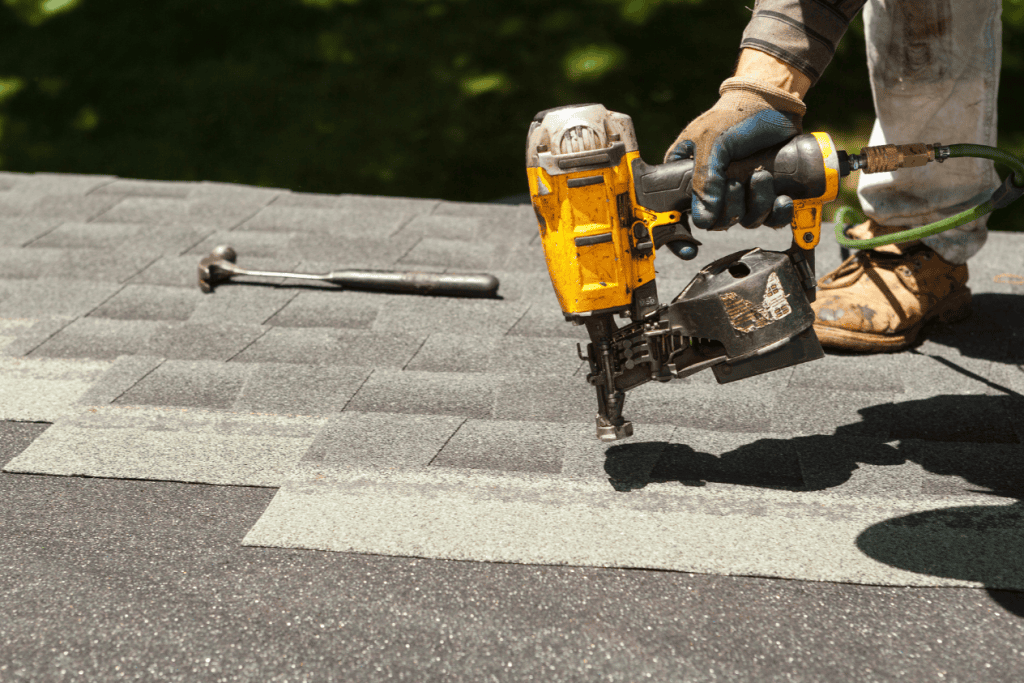


Your initial reaction to a clogged gutter, a missing shingle, or some debris on your roof may be to climb up and take care of it yourself. But an important question arises: Does walking on your shingled roof damage it?
The short answer is that although occasional and careful walking may not cause immediate visible damage, it is still important to be cautious. However, repeated or improper foot traffic can significantly compromise your roof’s integrity over time.
In this article, we will break down why walking on a shingled roof can lead to damage, what factors influence the extent of that damage, how to minimize risks if walking becomes necessary, and when it is best to call a professional.
Understanding Shingled Roofs
Shingled roofing systems, particularly asphalt shingles, remain the most widely selected roofing material nationwide. While expertly designed to endure harsh weather conditions such as rain, snow, and ultraviolet exposure, these systems are not intended to withstand heavy foot traffic.
Each asphalt shingle contains a top layer of granules that protect it from UV exposure and weathering, helping extend the life of the material underneath. Frequent walking can dislodge these granules, compromising the roof’s structural integrity and exposing it to moisture infiltration, cracking, and accelerated aging.
Even when no immediate damage is visible, compromised shingles may lead to significant water leakage and costly interior damage during subsequent storms.
Does Walking on Shingles Cause Damage?
Yes, walking on a shingled roof can cause hidden but serious damage. Each step can dislodge the protective granules that shield shingles from UV rays and weather, accelerating wear and tear. Foot pressure may also crack or break shingles, especially at weak points, compromising the roof’s integrity.
Additionally, even slight disturbances can damage the waterproofing layer. As a result, moisture could seep in and cause structural issues over time. To protect your investment, it’s best to avoid unnecessary movement and leave inspections or repairs to trained professionals.
Factors That Influence How Much Damage Occurs
Walking on a roof doesn’t cause damage; repeated walking does. Let’s take a quick look at some important factors that influence how vulnerable your shingled roof is.
Roof Age
Older roofs are more susceptible to damage. Shingles tend to dry out, become brittle, and lose flexibility over time. Eventually, this makes them more likely to crack or break under pressure.
Shingle Quality
High-quality shingles manufactured with premium materials are more durable and can better withstand occasional foot traffic. In contrast, lower-grade shingles are more easily damaged, even with minimal impact. So, what kind of shingles you’re installing is a big factor.
Weather Conditions
Temperature plays a critical role. Shingles become softer and more pliable under intense heat. It increases the risk of scuffing and displacement. In colder temperatures, they harden and become brittle, making them prone to cracking.
Footwear and Walking Technique
Wearing heavy, hard-soled boots or walking carelessly can significantly increase the chances of damaging the roof. In contrast, soft-soled shoes and careful steps on the flatter areas of the shingles can reduce the impact, although there is still some risk.
Ultimately, while some factors may lessen the immediate damage, walking on a shingled roof is never recommended unless necessary.
How to Walk on Your Roof Safely
While it’s always recommended to leave roof work to professionals, there are moments when you may need to get up there yourself. For example, clearing large debris after a storm or checking for visible damage. Let’s see some measures that you can take to walk on your shingled roof safely.
Wear Proper Footwear
Choose soft-soled shoes with excellent grip, like rubber-soled sneakers or roofing boots. Hard soles, dress shoes, or work boots can tear granules off shingles or even crack them. Avoid footwear with deep treads that can catch and lift shingles.
Walk Gently and Deliberately
Try to place your feet flat and softly with every step. Avoid stomping or dragging your feet across the surface. Think slow, steady, and deliberate movements. Also, distribute your weight evenly to reduce localized pressure.
Maintain Three Points of Contact
Keep your body low and your center of gravity stable. It’ll help you balance better and prevent sudden slips. Ideally, keep three points of contact with the surface at all times, either two hands and one foot or two feet and one hand. This technique is standard for roof safety.
Step Where It’s Strongest
Try to step on areas where shingles overlap and near the nail line. These spots tend to be more securely fastened. Avoid stepping near edges, valleys, or ridges where shingles are more vulnerable.
Avoid Walking on Wet, Icy, or Extremely Hot Roofs
Moisture, ice, or extreme heat can make shingles dangerously slick or fragile. A wet or overheated roof increases the chances of slips, falls, and shingle damage exponentially. Always pick a dry, mild day if you must go up.
Plan Your Movements
Before stepping onto the roof, have a clear plan for what you’re doing. Limit how often you move around. Identify what you need to check or fix, and take as few steps as possible to complete the task.
Use Roofing Safety Equipment
If you can, you can use a roof harness and a safety line, ladder, and anchor points to secure yourself while working. These tools dramatically reduce the risk of injury and accidental roof damage.
Another person on the ground can call for help or assist quickly in case of a fall
Instead of risking damage (or injury), hiring a licensed roofing contractor like American Remodeling is the safest option.
We use the right equipment, know how to navigate roofs without causing harm, and can spot hidden issues that an untrained eye might miss. Plus, regular inspections can help extend your roof’s lifespan significantly.
Frequently Asked Questions
Is walking on steep roofs more damaging than walking on low-slope roofs?
Steep roofs pose a greater safety risk, while lower-slope roofs may invite more foot traffic, increasing the chances of wear and surface damage over time.
Does moss or algae on shingles increase the danger of walking damage?
Yes. Moss makes shingles slippery and weakens their attachment, making them more vulnerable to tearing when stepped on.
Final Thoughts
While occasional walking on a shingled roof may not result in immediate visible damage, repeated movement can undoubtedly cause harm. Often, in ways that remain unnoticed until significant issues arise.
Avoid unnecessary damage. If in doubt, let professionals handle your roofing needs safely and efficiently.
Ultimately, it is advisable to avoid walking on your roof whenever possible. Instead, engage a qualified professional for inspections, maintenance, and repairs. Taking proactive measures today will help preserve your roof’s integrity and prevent costly repairs in the future.