
If your home needs a new roof, you have probably come across the phrase “energy efficient roofing system” at some point during your research. Most homeowners hear that and assume it is just another way of saying “new shingles.” It is not. The difference between an energy efficient roofing system and a standard shingle replacement is the difference between replacing a single part and replacing the entire system that part belongs to.
American Remodeling has been installing roofs for Pennsylvania homeowners since 1982. Over 20,000 projects later, we have seen what happens when only the shingles get addressed and everything underneath them stays the same. We have also seen what happens when the full system is built correctly from the deck up. The results are not close.
What Does a Standard Shingle Replacement Actually Include?
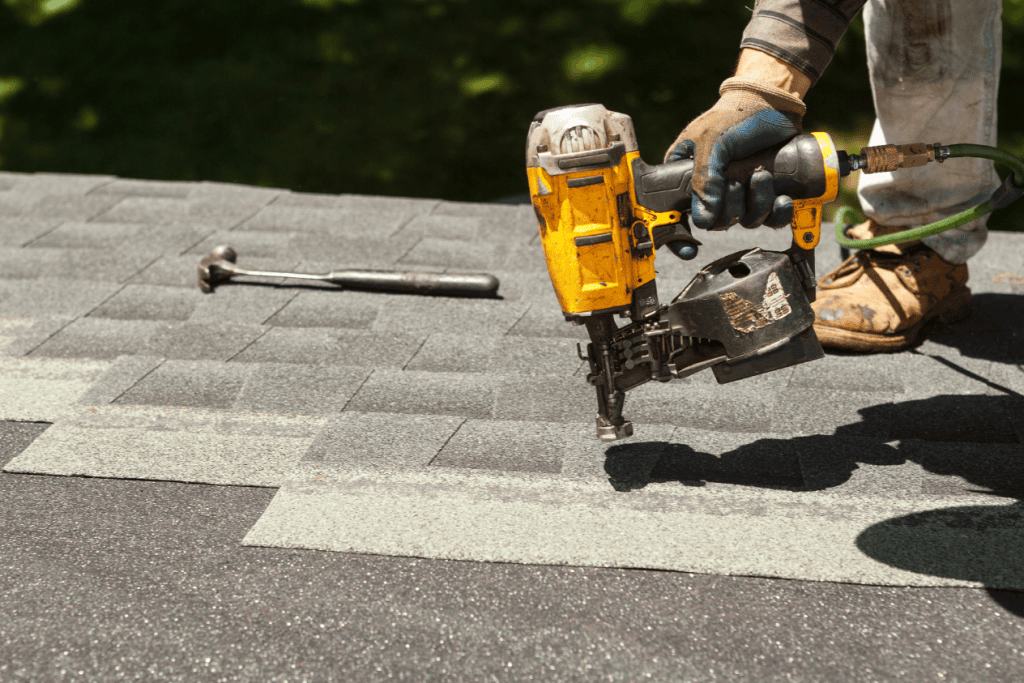
A basic shingle replacement does exactly what the name suggests. The old shingles come off. New shingles go on. The job addresses the outermost layer of your roof and stops there.
That is not a bad thing on its own. New shingles protect your home from the elements and improve your property’s appearance. But shingles are only one component of a roofing system. The underlayment, the decking, the ventilation, and the way all of those layers interact with each other determine whether your new roof is going to perform well or just look like it does.
When a contractor replaces only the shingles, the old underlayment stays. The existing ventilation stays. Any soft spots in the decking stay. That means whatever problems were developing underneath your old roof are still there, now hidden under a fresh surface.
What Makes a Roof Energy Efficient?
An energy-efficient roofing system treats every layer of the roof as part of one connected unit. The goal is to reduce heat transfer, control moisture, and keep conditioned air inside your home where it belongs. That requires more than choosing the right shingles.
Ventilation is one of the most overlooked factors in roof performance. A properly ventilated attic allows hot air to escape in the summer and prevents moisture buildup in the winter. Without a balanced intake-and-exhaust system, heat gets trapped in the attic space and radiates down into your living areas. Your HVAC system runs longer, your second floor stays uncomfortable, and your energy bills reflect it. An energy-efficient system includes a deliberate ventilation design that accounts for your home’s specific layout and roof geometry.
Underlayment is the layer between your shingles and your roof deck. Standard felt underlayment meets the minimum requirements and not much else. Higher-performing underlayment options create a tighter moisture barrier and add thermal resistance. In a state like Pennsylvania, where winters bring real cold and summers bring real humidity, that added layer of protection changes how the roof handles temperature swings throughout the year.
Deck condition matters more than most homeowners realize. Before anything goes on top, the decking has to be solid and dry. Compromised decking boards create gaps where outside air pushes through and disrupts insulation performance. Replacing damaged sections is not just structural work. It is part of building a system that actually controls heat transfer.
Reflective properties in roofing materials determine how much solar energy your roof absorbs versus how much it sends back into the atmosphere. Some roofing products are engineered with reflective granules or coatings that reduce heat absorption during warm months. That means less heat radiating into your attic and less strain on your cooling system. According to the U.S. Department of Energy, a cool roof can stay more than 50 degrees cooler at the surface compared to a conventional roof on the same day.
Is There a Difference Between an Energy-Efficient Roof and a Cool Roof?
The terms overlap, but they are not identical. A cool roof refers specifically to a roof’s ability to reflect sunlight and release absorbed heat. Energy-efficient roofing is a broader concept that includes cool roof properties along with insulation performance, ventilation design, and the way the full system manages heat transfer in both directions, not just in summer but in winter too.
In Pennsylvania, this distinction matters. The state has a heating-dominated climate. Homeowners spend more months heating than cooling. A roof that only helps in summer is only working for part of the year. A properly designed energy-efficient system accounts for cold-season performance as well, keeping warm air inside and preventing ice-related moisture problems along roof edges.
How Much Can an Energy-Efficient Roof Save on Energy Bills?
The savings depend on several factors, including the size of your home, the condition of your current insulation, and how well your HVAC system is functioning. But the numbers are real. Industry data consistently shows that energy-efficient roofing can reduce cooling costs by up to 25 percent. Some homeowners see even higher reductions when their previous roof had significant ventilation or insulation deficiencies.
The bigger picture is that an energy-efficient roof reduces the workload on your heating and cooling system year-round. Less strain means lower operating costs and less wear on equipment that is expensive to replace. For more on how a new roof affects long-term value, see our roofing ROI guide for Eastern and Central PA homeowners.
Does Roof Color Affect Energy Efficiency?
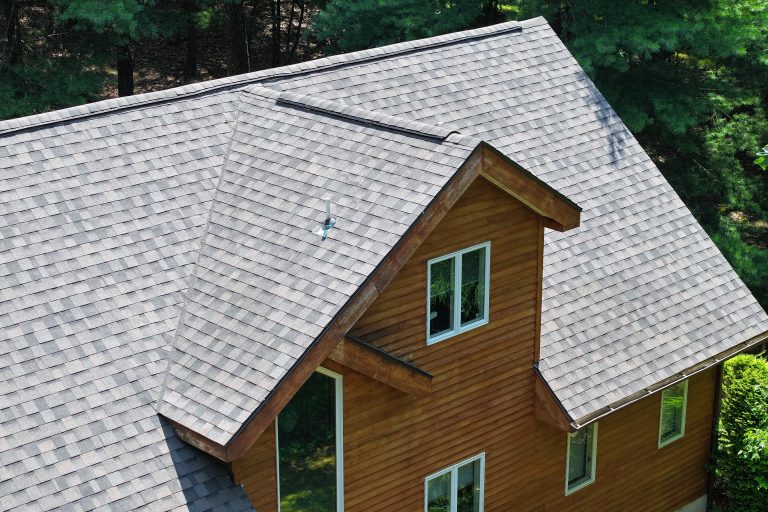
It does. Lighter-colored roofing materials reflect more sunlight and absorb less heat than darker options. That said, advances in roofing technology have made it possible to achieve meaningful reflectivity even in darker colors through the use of specially engineered granules. You do not have to choose a white or light gray roof to get energy performance benefits.
What matters more than color alone is how the shingle or panel is constructed and how it fits into the rest of the system. A light-colored shingle installed over degraded underlayment and poor ventilation will not perform as well as a properly engineered system with a darker color. Both asphalt shingle and metal roofing options can be configured for energy efficiency when installed as part of a complete system.
What Should a Roof Replacement Evaluation Include?
If a contractor walks your property, looks at the shingles, and hands you a quote, that is not a full evaluation. A thorough roof replacement evaluation should cover every layer and every transition point on the roof.
The attic ventilation needs to be checked for adequate intake and exhaust. The current underlayment needs to be assessed for condition and performance. The decking needs to be inspected for soft spots, moisture damage, and structural integrity. Flashing around chimneys, vents, and valleys needs to be evaluated because those transition points are where most performance failures occur. In areas of Pennsylvania where freezing temperatures are a given, ice dam risk should be addressed by fixing the conditions that cause ice dams, not by ignoring them until they create problems.
Are Energy-Efficient Roofs Worth the Extra Cost?
An energy-efficient roofing system typically costs more upfront than a basic shingle replacement. That is the honest answer. But the value equation shifts when you look at what you are actually getting.
A shingle-only replacement addresses the visible surface. An energy efficient system addresses the visible surface, the moisture barrier, the ventilation, the decking, and the way all of those components work together to manage heat, air, and water. The result is fewer issues after installation, lower energy costs over time, and a roof that is working with your insulation and HVAC system instead of against them.
For homeowners planning to stay in their homes, the long-term performance and reduced maintenance make the investment straightforward. For homeowners preparing to sell, a complete roofing system is a stronger selling point than new shingles alone. Buyers and home inspectors know the difference.
Can You Make an Existing Roof More Energy Efficient?
If your roof is in acceptable condition but your energy bills are high or your second floor is consistently uncomfortable, the problem may not be the shingles. Improving attic insulation and correcting ventilation imbalances can make a measurable difference without a full roof replacement. Adding radiant barriers in the attic space is another option that reduces heat transfer.
That said, if the roof itself is due for replacement, addressing insulation and ventilation at the same time as the roof installation is the most efficient approach. Opening up the roof gives your contractor direct access to the deck, the underlayment, and the attic space, which means every layer can be evaluated and addressed in a single project rather than piecemeal over several years.
Conclusion
Before committing to a roof replacement with any contractor, ask these questions directly and expect clear answers. For a more detailed checklist, see our guide on key things to look at when hiring roofers in Eastern PA.
Will the attic ventilation be evaluated and updated if needed? What underlayment will be used, and why was it selected over other options? Will the decking be fully inspected and replaced where necessary? How will flashing be handled at chimneys, vents, and valleys? Is the quote for a complete roofing system or just for the shingles?
If your home needs a roof replacement and you want to understand whether an energy-efficient roofing system makes sense for your situation, contact us for a free estimate.