
Metal roofing has a reputation problem in Pennsylvania. Many homeowners still picture noisy barn roofs or worry about lightning strikes, even though modern metal roofing looks nothing like the corrugated panels on agricultural buildings.
If you’re considering a metal roof replacement for your Pennsylvania home, you’ve probably heard conflicting information. Let’s separate what’s actually true from what’s outdated or just plain wrong.
Myth 1: Metal Roofs Attract Lightning
The Reality: Metal roofing does not attract lightning and may actually be safer than other roofing materials if lightning does strike.
Lightning strikes the highest point in an area regardless of the material. Your roof material has no bearing on whether lightning will hit your home. A metal roof on a ranch house in suburban Pittsburgh is no more likely to be struck than an identical home with asphalt shingles next door.
What’s actually true is that metal is non-combustible. If lightning strikes a home with a metal roof, the metal safely disperses the electrical charge across the roof and down to the ground. With asphalt shingles or wood shakes, a lightning strike can ignite the roofing material.
The National Fire Protection Association (NFPA) recognizes metal roofing as a Class A fire-resistant material — the highest rating available.
Myth 2: Metal Roofs Make House Hotter in Summer
The Reality: Metal roofing typically keeps Pennsylvania homes cooler than dark asphalt shingles, especially with reflective coatings.
Dark asphalt shingles absorb and hold heat. On a sunny 85-degree day in Philadelphia or Harrisburg, black or dark brown shingles can reach surface temperatures of 160–180 degrees. That heat radiates into your attic and eventually into your living space.
Metal roofing, particularly in lighter colors or with reflective pigmented coatings, reflects solar radiation rather than absorbing it. The same 85-degree day might see metal roof surfaces at 120–130 degrees — still hot, but significantly cooler than asphalt.
This matters during Pennsylvania’s humid summers. Homes with metal roofs in places like Reading, Allentown, and York often see noticeably reduced cooling costs compared to homes with dark asphalt roofs. According to the Metal Roofing Alliance, reflective metal roofing can reduce cooling costs by 10–25% in mixed climates like ours.
Learn more about how energy-efficient roofing performs in Pennsylvania’s climate
The key factor is color choice and coatings. Light gray, tan, white, or specially coated metal in any color provides the best heat reflection.
Myth 3: Metal Roofs Look Industrial or Cheap
The Reality: Modern residential metal roofing comes in styles that complement traditional architecture, and many Pennsylvania homeowners choose metal specifically for curb appeal.
Walk through established neighborhoods in places like Doylestown, West Chester, or Carlisle, and you’ll spot metal roofs that look like slate, shake, or traditional standing seam — not barn roofing. Today’s residential metal roofing is available in dozens of profiles and colors designed specifically for homes.
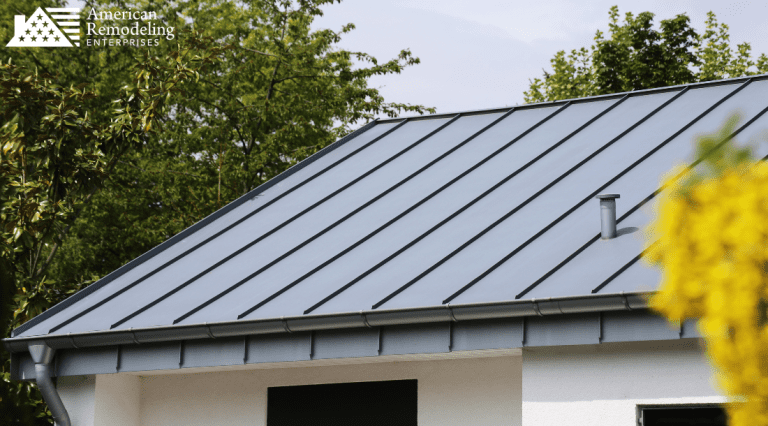
Standing seam metal roofing has become particularly popular in Pennsylvania’s historic districts and among homeowners updating Victorian, Colonial, and Craftsman-style homes. The clean vertical lines complement traditional architecture while providing modern performance.
Stone-coated steel shingles look nearly identical to traditional composition shingles from the street but deliver decades more protection. These are common throughout the Poconos and mountain communities where durability matters.
Metal shingles designed to look like slate are increasingly popular in areas like Montgomery County and Bucks County, where real slate roofs are common but prohibitively expensive to replace. The visual effect is similar, but the weight on the structure is a fraction of real slate.
Myth 4: Metal Roofs Rust Quickly
The Reality: Modern metal roofing materials are engineered to resist corrosion and are backed by industry-leading warranties against rust.
Pennsylvania’s climate includes humid summers, freeze-thaw cycles in winter, and acid rain concerns in some areas. This tests any roofing material. But residential metal roofing today is not bare steel that will rust in a few years.
Most residential metal roofing uses one of these rust-resistant materials:
- Galvanized steel: Coated with a zinc layer that protects against rust. The zinc corrodes sacrificially, protecting the underlying steel.
- Galvalume steel: Coated with an aluminum-zinc alloy for better corrosion resistance. This is the most common substrate for residential metal roofing in Pennsylvania.
- Aluminum: Naturally corrosion-resistant and used throughout Pennsylvania, particularly in the Pocono region where winter weather is harsh.
- Copper: Develops a protective patina over time instead of rusting. You’ll see copper roofs on historic buildings throughout Philadelphia and other Pennsylvania cities that have stood for over a century.
All of these materials get additional protection from factory-applied paint systems that include rust inhibitors and UV protection. A properly installed metal roof in Pennsylvania should show no corrosion for decades.
Learn more about the benefits of metal roofing and how different materials perform in our climate.
Myth 5: Metal Roofing Costs Too Much
The Reality: Metal roofing has a higher upfront cost but typically costs less over the full ownership of your home when you factor in longevity and performance.
Yes, metal roofing costs more initially than asphalt shingles. In Pennsylvania, homeowners can expect to pay more per square foot installed for metal versus mid-grade asphalt.
But here’s what changes the math:
Asphalt shingles in Pennsylvania’s climate typically need full replacement sooner than many homeowners expect, especially with significant ice damming or wind exposure. Metal roofing is designed to protect your home for significantly longer, often meaning you install it once and you’re done.
When you account for avoiding future full roof replacements, metal roofing becomes cost-competitive or even cheaper over the long term. You also avoid disrupting future re-roofing projects.
Metal roofing can also reduce insurance premiums. Many Pennsylvania insurers offer discounts for impact-resistant and fire-resistant roofing, typically 5–15% on the dwelling coverage portion of your homeowner’s policy.
We also offer flexible financing options to help make a metal roof replacement more accessible for your budget.
For a deeper look at the numbers, check out our Roofing ROI Guide for Eastern & Central PA Homeowners .
Myth 6: Metal Roofs Interfere With Cell Phone and WiFi Signals
The Reality: Metal roofing does not significantly interfere with modern wireless signals or affect cell phone reception inside your home.
This myth has some basis in physics — metal can reflect or block radio signals — but it’s largely irrelevant for modern homes.
Modern cell signals use multiple frequencies and towers. The signal isn’t coming straight down through your roof — it bounces and diffracts from multiple directions. Your windows, which don’t have metal roofing over them, allow signal penetration.
WiFi operates inside your home, so your router’s signal isn’t passing through the roof to reach your devices. Your metal roof has no effect on internal WiFi performance.
If you have reception issues in your Pennsylvania home, the cause is more likely distance from cell towers (common in rural areas) or terrain (hills blocking signals), not your roof material.
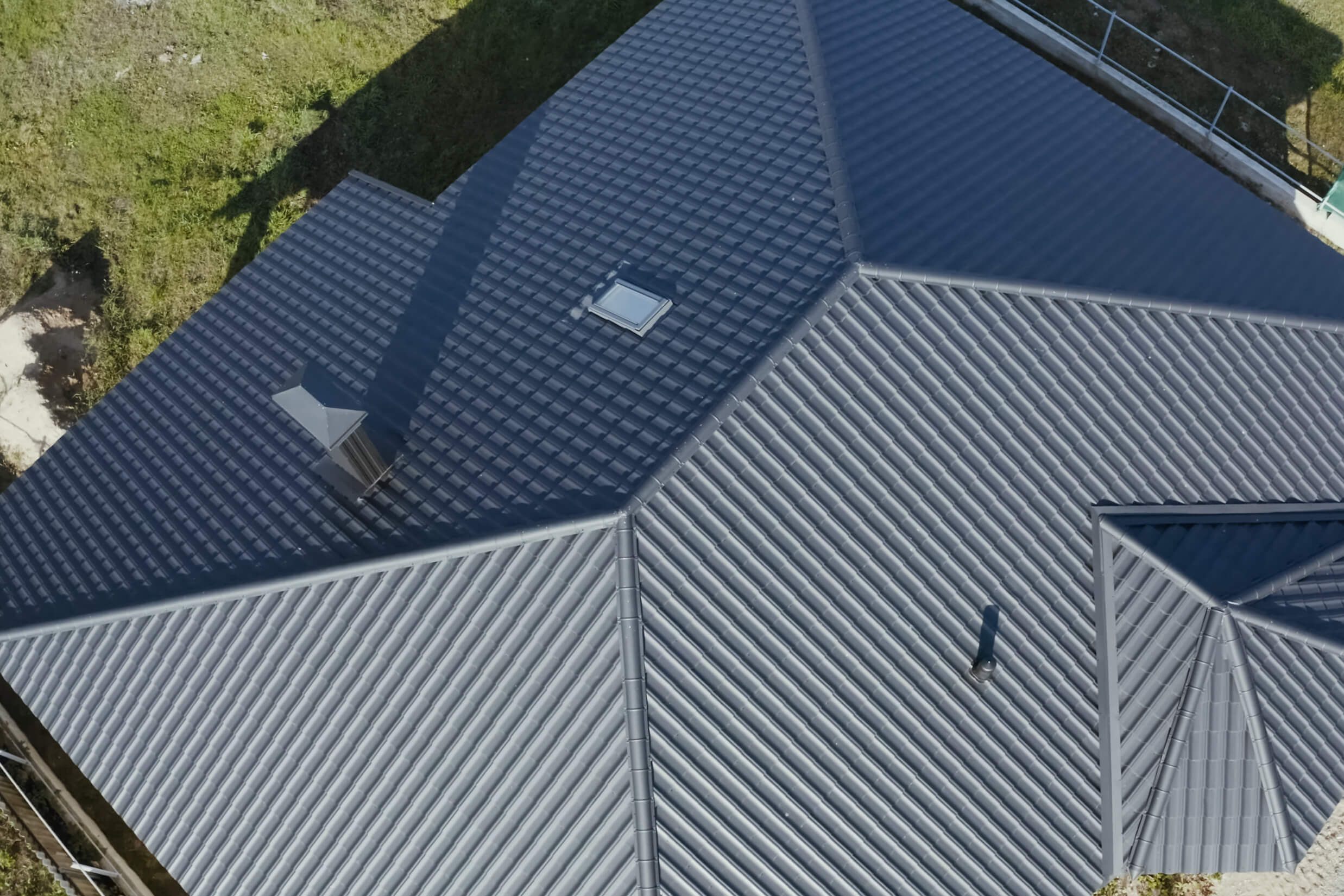
Myth 7: Ice and Snow Slide Off Metal Roofs Dangerously
The Reality: Snow can slide off metal roofs, but this is a manageable consideration with proper planning and snow retention systems.
This one is actually partially true — but it’s a manageable consideration, not a dealbreaker.
Metal roofing is smooth, especially when coated with snow or ice. When Pennsylvania gets a heavy, wet snow followed by sunny weather, that snow can release from a metal roof in sheets rather than slowly melting in place as it does on textured asphalt shingles.
For most Pennsylvania homeowners, this is actually a benefit. Snow and ice don’t accumulate on metal roofs the way they do on shingles. This reduces ice dam risk and eliminates the weight load concern that comes with heavy snow accumulation.
But sliding snow can be a concern near walkways, lower roof sections, landscaping, or outdoor equipment. The solution is snow guards or snow retention systems — small devices installed on the metal roof that hold snow in place, allowing it to melt gradually rather than sliding off in sheets.
In Pennsylvania, snow guards are especially important if you have entryways or sidewalks near roof edges, multiple roof levels, or roof sections above decks or patios.
Any reputable metal roofing contractor will discuss snow retention during your consultation. Read more about how to prepare your roof for winter weather .
Myth 8: Metal Roofing Requires Specialized Installation Most Contractors Can’t Handle
The Reality: Metal roofing requires specific training, but experienced contractors throughout Pennsylvania handle these installations every day.
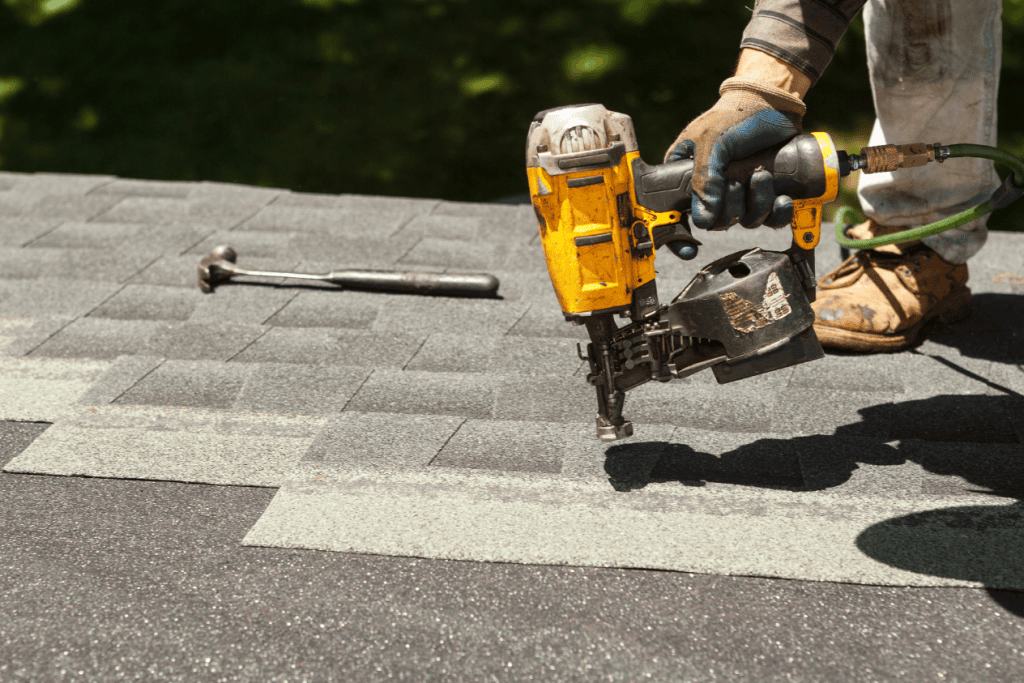
Metal roofing installation is different from shingle installation. The fastening methods, flashing details, and panel connections require specific knowledge. A crew that’s only ever worked with asphalt shingles might struggle with their first metal roof.
But metal roofing isn’t rare or exotic anymore. Established contractors throughout Pennsylvania have been installing metal roofing for decades with factory-certified crews trained specifically for these systems.
When evaluating a contractor, look for demonstrated metal roofing experience, not just general roofing credentials. Our guide on how to choose a reliable roofing contractor covers what to ask and what to look for.
An experienced metal roofing contractor will also understand Pennsylvania-specific considerations like proper ice and water barrier placement for our freeze-thaw climate, snow guard placement for local snow loads, thermal expansion considerations for our temperature swings, and local building code requirements.
Myth 9: Metal Roofs Are Bad for the Environment
The Reality: Metal roofing is one of the most environmentally responsible roofing options available.
Metal roofing contains 25–95% recycled content depending on the material. Steel and aluminum used in roofing often comes from recycled cars, appliances, and construction materials.
At the end of its service life, metal roofing is 100% recyclable. The panels can be melted down and reformed into new products. Asphalt shingles, by contrast, typically end up in landfills.
Metal roofing’s longevity also means fewer replacements over time, which translates to less manufacturing, less transportation, and less waste. One metal roof can do the job of multiple shingle roof replacements over the same time period, resulting in a smaller overall environmental footprint.
The energy efficiency factor matters too. By reducing cooling loads in summer, metal roofing decreases electricity consumption. Learn more about the energy efficiency of our roofing systems.
Metal roofing also pairs well with solar panels. The durability means your solar installation won’t need to be removed and reinstalled due to a roof replacement during the panels’ productive years. Many standing seam metal roofs have solar panel mounting systems that attach to the seams without penetrating the roof surface.
Making the Right Decision for Your Home
Metal roofing isn’t right for every Pennsylvania home or every homeowner, but many of the reasons people dismiss it are based on outdated information or myths.
If you’re considering metal roofing, focus on the actual factors that matter:
- Your budget and how long you plan to stay in your home
- Your home’s architectural style and how metal roofing would look
- Local building code requirements and HOA restrictions
- Your priorities around maintenance, durability, and energy efficiency
As a family-owned company serving Pennsylvania since 1982, with over 20,000 completed roofing projects, American Remodeling can help you decide if metal roofing is the right fit for your home. Every residential roof we install comes with our 100% lifetime warranty.
Schedule your free consultation today or call us at 888-739-7339. We serve homeowners across Eastern and Central Pennsylvania from our offices in Schuylkill Haven, York, Selinsgrove, and Scranton.
Curious about our promotions? Check out our current offers for additional savings on your next project.