

Replacing a roof is one of the most important and often most expensive investments a homeowner or business owner can make. The right roof doesn’t just provide protection; it also plays a key role in energy efficiency, curb appeal, and resale value. For this reason, making informed, strategic decisions during a roof replacement project is essential.
While the process might seem overwhelming at first, it ultimately comes down to two key factors:
- Selecting the right roofing materials.
- Hiring the right roofing contractor near your location.
In this article, I’ll walk you through everything you need to know based on years of hands-on experience in the roofing industry.
My name is Jason, and I’m the owner of American Remodeling Enterprises Inc . Over the years, our team has helped thousands of homeowners and business owners make confident roofing decisions and upgrade with premium, cost-effective, durable, and energy-efficient roofing systems. Through this article, I’ll share the knowledge we’ve gained so you can approach your roof replacement with clarity and confidence.
Let’s get started.
When Should You Replace Your Roof?
Before thinking about which materials or contractors you’re going to choose, it’s important to know whether you need a full replacement or not. For that, I made a list below; see if your roof has one of these signs.
- Age of the Roof: Most residential roofs, especially those made with asphalt shingles, have a lifespan of 20 to 25 years. If your roof is approaching or has surpassed this age, it’s time to consider a replacement.
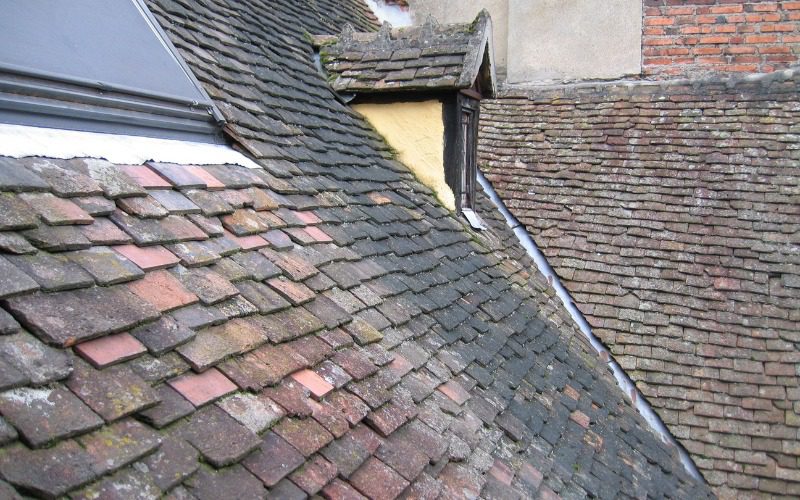
- Visible Damage: Signs such as cracked, curled, or missing shingles, sagging rooflines, or granule loss are indicators of wear and tear. These issues suggest the structural integrity of your roof may be compromised. Right now, it’s vulnerable to leaks or further deterioration. Time for replacement.
- Leaks and Water Stains: Water intrusion is a strong signal that your roof’s protective barrier has failed. If you see stains on ceilings, damp spots in the attic, or mold growth, this means there’s a leak. If not addressed, it could lead to costly structural damage.
- Rising Energy Bills: An inefficient roof can disrupt the thermal envelope of your home. Poor ventilation or damaged insulation under the roofing system can cause your HVAC system to work harder. This can result in increased utility costs over time.
- Popping or Creaking Sounds: Roofs that shift or flex during temperature swings could have decking issues, weakened framing, or fastener failure. Don’t ignore those sounds.
- HVAC Leaks on Commercial Roofs: Water stains near rooftop units mean the flashing or membrane around mechanicals is done. It’s one of the most common commercial roof failures.
- Membrane Bubbles or Wrinkles: On flat roofs, raised spots or waves in TPO or EPDM mean trapped moisture or poor adhesion. You’re one season away from real problems.
If your roof has one (or more) of these signs, you should consider replacing it with a new one. Otherwise, maybe it’s best to talk with a professional and seek suggestions.
At American Remodeling Enterprises, we provide roof inspections and detailed estimates for both homeowners and business owners. Contact us today to schedule your free roofing quote.
Choosing the Right Roofing Material
Roofing material is one of the important considerations for a perfect roof replacement project. Let’s look at the material list and which one suits which place.
Asphalt Shingles
Asphalt shingles are the most commonly used roofing material due to their affordability and ease of installation. They offer decent durability and come in a variety of colors and styles, making them suitable for many residential properties.
Metal Roofing
Metal roofs are known for their exceptional durability, resistance to extreme weather, and energy efficiency. Though they require a higher initial investment, their long lifespan and low maintenance needs often make them a cost-effective option in the long run.
Tilcor Stone-Coated Roofs
Tilcor stone-coated steel roofs combine the strength of metal with the textured finish of traditional roofing. These roofs are lightweight, resistant to corrosion, and built to withstand extreme weather conditions. Therefore, they are a popular option for both modern and classic home designs.
EPDM Rubber
EPDM rubber roofing is durable, cost-effective, and easy to install. It’s widely used in commercial buildings and modern residential designs where the slope is minimal. If your building has a low-slope or flat roof, you can consider this option.
Remember, always consider factors like local weather conditions, roof pitch, and long-term value when choosing a roofing material. A good R&D could benefit you for years. Or contact us to get a free quote. Every roofing system we install is backed by our Enfinity Lifetime Warranty, ensuring long-term protection regardless of the material you choose.
Understanding the Roof Replacement Process
Replacing a roof isn’t just about laying down new shingles. It’s a long process that requires planning, expertise, and the right materials. Knowing what to expect at each stage is a must.
Initial Inspection and Estimate
The process begins with a comprehensive inspection of your current roof. A qualified contractor will assess the condition, identify problem areas, and provide a detailed estimate. This step helps you understand the scope of the project and budget accordingly.
Permits and Preparation
Before work begins, necessary permits are acquired based on local regulations. Contractors typically take steps to protect your property by covering landscaping and setting up safety zones. Clear communication about scheduling and preparation ensures minimal disruption to your daily routine.
Removal of Old Roofing
Once the site is ready, roofers remove the existing roofing material to expose the underlying deck. This phase often reveals hidden issues, such as rot or water damage, that need to be addressed before the new roof can be installed.
Decking and Underlayment
After inspection, any damaged decking is repaired or replaced. A waterproof underlayment is then applied to act as a barrier against moisture. This forms the foundation for your new roofing material.
Installation of New Roof
With the base secured, the new roofing material is installed according to manufacturer guidelines and local building codes. This step includes installing flashing, ridge vents, and sealants to ensure the roof is fully weatherproofed and ventilated.
Final Cleanup and Inspection
Once installation is complete, the site is cleaned of all debris, and a final inspection is conducted to verify quality and compliance. At this point, the contractor will walk you through the finished work and review warranty details.
Roofing Cost Consideration
Replacing a roof is a significant financial commitment, and understanding the cost implications is crucial for making an informed decision. The total cost can vary widely depending on the size and pitch of the roof, the materials selected, the complexity of the installation, and your location.
- Premium options like metal or Tilcor stone-coated roofs come with a higher upfront investment but offer long-term durability and reduced maintenance costs. In contrast, asphalt shingles may be more budget-friendly initially but typically require replacement sooner.
- Labor also plays a major role. Skilled contractors charge more for experience and quality assurance.
- Additional expenses , such as permits, disposal fees, or structural repairs discovered during removal, should also be factored in.
You can use this roofing calculator to understand what each includes and focus not just on price, but on value, warranties, and the track record of the contractor. This gives a bird’s eye view of the whole scenario.
Finding the Right Roofing Contractor
Selecting the right roofing contractor is one of the most important decisions in the roof replacement process. Let’s look at some of the factors that you should consider before hiring a roofing company.
- Credentials and Licensing: Always ensure the contractor holds the proper licenses and insurance. This not only confirms legitimacy but also protects you from liability, especially in accidents or damages.
- Experience and Expertise: A roofer with a solid portfolio and decades of experience in various roofing materials is always a better choice than a new company. They can handle your specific needs efficiently and correctly.
- References and Reviews: Look for reviews on reputable platforms and request references. Positive feedback from past clients is always a strong indicator of professionalism and quality.
- Request Detailed Estimates: Professional roofers provide transparent, written estimates that outline every aspect of the job. Avoid working with those who offer vague or verbal quotes.
- Review Warranty Coverage: Understanding both workmanship and material warranties can give you long-term peace of mind and protect your investment.
At American Remodeling, we embody all these qualities: licensed, experienced, transparent, and trusted by the locals for delivering dependable roofing services with long-term value.
Ready to replace your roof? Let our team help you select the right material and provide a detailed quote. Contact us today for your roof inspection and estimate.
Maintenance Tips Post-Roof Replacement
After a full replacement, you need consistent maintenance to maximize its lifespan. Routine inspections and preventative care can save you from expensive repairs and keep your home protected year-round.
Regular Inspections
Have your roof inspected by a professional at least twice a year, preferably in spring and fall. It helps identify minor issues before they escalate, especially after severe weather events.
To avoid water buildup, leaks, and unnecessary strain, clean your gutters regularly and remove leaves, branches, or moss from the roof surface.
Address Minor Repairs Quickly
Small issues like cracked shingles, lifted flashing, or sealant damage should be repaired promptly to prevent water infiltration and structural decay over time.
At the same time, proper attic ventilation and insulation help control moisture and temperature, extending your roof’s lifespan and improving overall energy efficiency.
Keep all warranty documents and contractor records in a safe place. Understanding your coverage and maintenance responsibilities ensures you remain compliant with warranty terms.
Ways to Pay for Your New Roof
Investing in a new roof can be financially demanding, but there are several practical options available to make the cost more manageable. Understanding your financing choices allows you to plan confidently and avoid unnecessary financial strain.
- Cash or Check: Paying upfront with cash or check is the most straightforward method if you’ve already set aside savings for home improvement. It eliminates interest charges and streamlines the transaction.
- Home Equity Loan or HELOC: A home equity loan or line of credit offers low interest rates by using your home as collateral. These options are ideal for homeowners with solid equity looking for structured repayment over time.
- Credit Cards: For smaller roofing projects, credit cards can be a convenient option. It’s a great way if you’re able to pay off the balance quickly and avoid high interest rates.
- Roofing Financing Plans: Many roofing contractors now offer in-house financing solutions with competitive rates, including low-interest or even interest-free plans. This can be a flexible and accessible route, especially for larger roofing jobs.
Take time to evaluate which option aligns best with your financial situation. Here at American Remodeling, we are happy to discuss financing plans and help you find the most affordable path forward.
Conclusion
Whether you’re a homeowner or a business owner, replacing a roof is one of the most significant investments you’ll make. Being informed about the process, from material selection to contractor choice, can save you time, money, and unnecessary stress, all while giving you the peace of mind that your property is protected.
I hope this guide serves you well as you plan your upcoming project. If you ever need expert support or simply want to speak with a trusted professional, feel free to reach out to us, we’re always here to help.