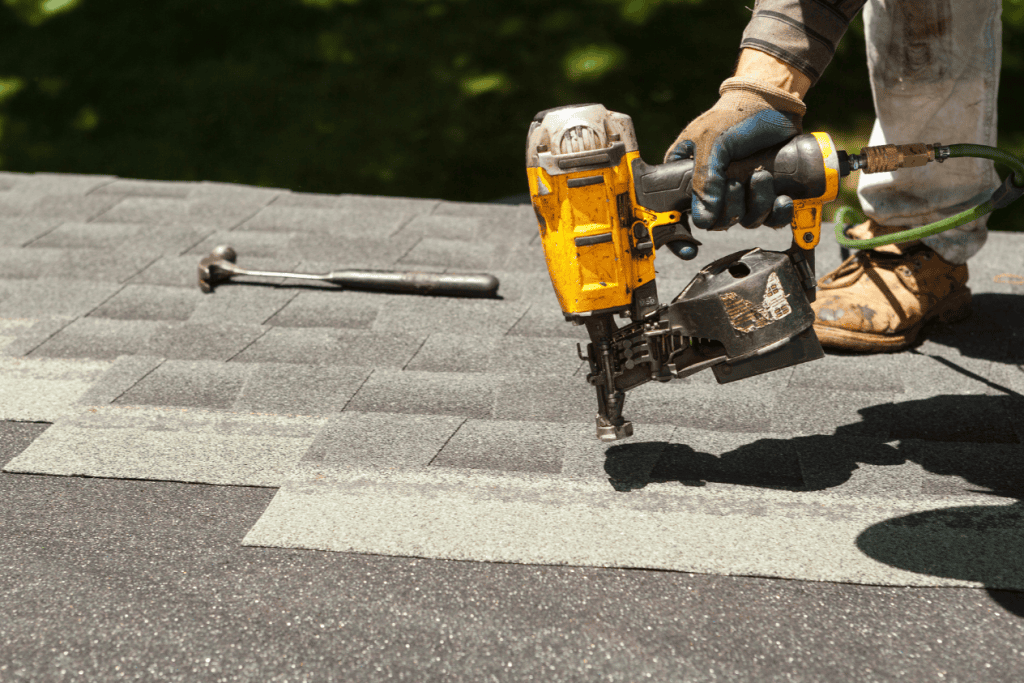


Renovating an old home can be exciting, until you run into something you weren’t expecting. If your home was built before the 1980s, asbestos is a hidden risk that many homeowners overlook.
This hazardous material was widely used in construction due to its heat resistance, strength, and affordability. However, when disturbed, asbestos can release microscopic fibers that pose serious health risks, including lung disease and cancer.
At American Remodeling, we’ve been helping homeowners with high-quality roofing in Eastern and Central Pennsylvania since 1982. We understand the challenges that come with older homes. And we make it a priority to look out for asbestos, especially when we’re replacing an old roof. We believe that every renovation project should be done safely, protecting both your home and your health.
In this guide, we’ll break down everything you need to know about asbestos before you start your renovation. From understanding what asbestos is, how to identify it, to how to safely handle it, we’ve got you covered.
Let’s make sure that your home improvement project doesn’t come with unexpected, dangerous surprises. So, without further ado, let’s get into it.
What is Asbestos and Why is it Dangerous During Renovation?
Asbestos is a naturally occurring mineral that was once considered a miracle material in construction due to its heat-resistant, durable, and insulating properties. It was widely used in building materials. For many years, it was incorporated into homes and buildings without concern for its potential dangers.
However, asbestos fibers are extremely small and can easily become airborne when disturbed. These microscopic fibers are invisible to the eye, and when inhaled, they can cause severe damage to the lungs and other organs. The exposure is linked to several serious health conditions.
The true danger lies in the fact that the effects of asbestos exposure are not immediately visible. They accumulate over time, often without any noticeable symptoms, until it’s too late.
In older homes (Built before the 1980s), materials such as roofing shingles, insulation, and floor tiles may likely contain asbestos. Though asbestos isn’t harmful if it remains undisturbed, any renovation work that disturbs these materials can release fibers into the air, creating serious health risks for those involved in the project.
How to Identify Asbestos in Your Home?
Identifying asbestos in your home can be tricky, especially since it’s often hidden within construction materials and not visible to the naked eye.
As mentioned earlier, asbestos was commonly mixed into various products like roof shingles, insulation, flooring, and even wall materials. The risk arises when these materials are disturbed during renovations, exposing potentially harmful fibers into the air. In many cases, asbestos may still be present and intact , but disturbing it during home improvements can cause serious health risks.
To determine if your home contains asbestos, you need to consider two main approaches . First, visual clues can help, although they can only go so far. Materials like textured ceilings, vinyl tiles, insulation around pipes, and old roofing may look suspect if they’re from an era when asbestos was commonly used.
The second and most reliable way to identify asbestos is by professional testing . If you suspect your home contains asbestos, the best course of action is to hire a certified asbestos inspector .
These professionals can safely take samples of materials and send them to a lab for testing. It’s crucial to remember not to disturb any suspected asbestos-containing materials yourself, as this could release dangerous fibers into the air.
A trained professional will not only help you identify asbestos but also advise on how to safely handle or remove any materials that are posing a risk. At American Remodeling, during any roof replacement or siding project, we ensure that the asbestos isn’t disturbed and use Tilcor for the roof and insulated siding for siding. It’s actually the best thing to do when dealing with asbestos.
What to Do if You Find Asbestos in Your Home?
Discovering asbestos in your home can be alarming, but it’s important to know how to proceed calmly and carefully. The key is to handle the situation safely to avoid any risk of exposure.
- Don’t Disturb: If you suspect asbestos is present, do not disturb it. It is only hazardous when the fibers are airborne, which typically happens when the material is disturbed. Avoid sanding, drilling, scraping, or cutting any suspect material. This includes materials like ceiling tiles, floor tiles, insulation, and old roofing materials. If the material is undamaged and intact, it can safely remain in place without posing a significant health risk.
- Consider Encapsulation: In many cases, encapsulation is the safest option. Encapsulation involves sealing the asbestos-containing material with a protective coating that prevents fibers from being released. This is often the recommended solution for areas where the asbestos is not in direct contact with high-traffic activity and is unlikely to be disturbed. A trained professional will apply the encapsulant carefully to avoid spreading any fibers. This method can be a cost-effective alternative to removal, especially when the material is in good condition and not likely to be disturbed in the future.
- Complete Removal: If the asbestos-containing material is damaged, in a high-traffic area, or needs to be removed for renovation or repair, the only safe option is professional removal. Asbestos removal requires specialized equipment, training, and certifications, as improper handling can release harmful fibers. Never attempt to remove asbestos yourself. Always hire a certified asbestos abatement professional to ensure the material is safely and properly removed according to local regulations.
- Cleaning and Follow-Up: After removal or encapsulation, thorough cleaning of the affected area is necessary to ensure all asbestos fibers have been removed from the environment. A professional cleaning service should use HEPA filters to remove any residual dust. If you handle it yourself, make sure to use a vacuum cleaner equipped with a HEPA filter and follow up with wet wiping. Once cleaned, a post-abatement inspection will confirm that the space is safe for re-entry.
What to Do During a Renovation if You Suspect or Find Asbestos?
You may find the existence of asbestos in your home during a renovation project. In this section, we’ll talk about what you need to do to handle the situation effectively.
Stop Work Immediately
If you suspect that you’ve encountered asbestos during renovation, stop all work immediately. Do not continue with demolition, cutting, or sanding. The fibers can become airborne during these actions, so it’s essential to halt all activities to prevent contamination and exposure.
Call a Professional
The next step is to contact a licensed asbestos abatement professional . These specialists are trained to safely handle and remove asbestos-containing materials. They’ll conduct a full inspection of the area, determine the presence and scope of asbestos, and outline the safest course of action.
If you haven’t already had the materials tested, a certified inspector can take samples and send them for analysis, confirming whether the harmful is present and what level of risk it poses.
Establish a Containment Zone
Once professionals are on-site, they will likely establish a containment zone to prevent asbestos fibers from spreading throughout the home. This will typically involve sealing off the area with plastic sheeting and controlling air flow with negative pressure systems to ensure that no fibers escape.
For homeowners, it’s crucial to stay out of the work area until the proper safety measures are in place. Asbestos removal or remediation should never be attempted by untrained individuals.
Safe Disposal and Cleanup Procedures
After removal, proper disposal and cleanup are key to maintaining safety. Certified contractors will handle the safe disposal of asbestos-containing materials in compliance with local and federal regulations.
Additionally, they will conduct a thorough cleanup, using HEPA vacuums and wet methods to ensure that all residual fibers are removed from the air and surfaces.
Post-Removal Inspection and Air Quality Testing
Once the asbestos has been removed or encapsulated, a post-removal inspection is necessary. This ensures that the area is free from harmful fibers and safe for reentry.
Air quality tests should be conducted to confirm that no asbestos particles remain in the environment. Only when these tests are clear should the renovation work continue.
A Few Factors that Decide the Cost of Asbestos Removal
The cost of asbestos removal can vary significantly based on several factors. Understanding these factors can help homeowners anticipate the potential costs and make informed decisions. In this section, we’ll dive deep and understand which factors influence the overall cost of asbestos removal.
Size of the Affected Area
The size of the area that contains asbestos is one of the most significant cost factors. A small area, like a few tiles or a section of roofing, will cost significantly less to remove than larger areas like entire floors or attics.
The more square footage that needs to be treated or removed, the higher the overall cost will be. Contractors typically charge based on square footage, so larger, more complex areas will naturally increase the price.
Type of Asbestos-Containing Material
Asbestos can be found in a variety of materials, each with its own removal complexity. Loose-fill insulation , popcorn ceilings , floor tiles , and roof shingles all require different methods of removal, some of which are more labor-intensive than others.
For example, removing it from insulation or roofing may require more extensive safety measures, special equipment, or additional labor, which can drive up the cost.
Location and Accessibility
The location of the material in your home can significantly impact the cost of removal. Asbestos found in easily accessible areas, like a living room ceiling or a basement, will be easier and cheaper to remove.
On the other hand, in hard-to-reach places, such as under the floorboards, inside walls, or in the attic, will require more time and effort to access and remove safely, raising the overall cost.
The Condition of the Asbestos
If the asbestos-containing material is undamaged and still in good condition, it may only require encapsulation (sealing it off to prevent fiber release). However, if the material is damaged or deteriorating, full removal may be necessary, which is more labor-intensive and costly. Damaged asbestos can release fibers into the air, which increases the risk of exposure and requires extra precautions.
Labor Costs and Region
Labor costs can vary depending on where you live. In some regions, the cost of labor for licensed professionals may be higher due to demand, regulations, or the availability of qualified asbestos removal contractors.
Additionally, the complexity of local regulations and the need for permits can add to the cost of the project. It’s important to factor in regional variations when estimating the total cost.
Disposal Fees
Once the asbestos-containing materials are removed, they must be disposed of in a special, approved manner. Disposal fees for hazardous materials can vary depending on the amount and type of asbestos. The cost to transport and dispose of the materials safely may be an added fee in addition to the labor costs.
The Final Words
At American Remodeling , we believe that safety comes first, whether we’re installing high-quality roofing or assisting with home improvements. We’re here to ensure that any renovation, especially in older homes, is done safely, responsibly, and with minimal disruption.
If you suspect asbestos in your home, trust the experts to guide you through the process and protect the health of your family. And we believe this prolonged article will help you make an informed decision.
Read More: Asbestos in Your Roof: What Homeowners Should Know Before Replacing